The Role
As our Electrical / RF / Systems Integrator, you will own the “ugly middle” between a CAD model and a field-ready aircraft: power architecture, ESC and motor electrical integration, harnessing, connector standards, payload electrical interfaces (RGB + thermal today, more tomorrow), RF performance and antenna placement, EMI/EMC sanity, and the system-level decisions that make the platform manufacturable and supportable.
This is a high-impact role working directly with the founder and mechanical engineering cofounder, with tight collaboration with the flight controls/embedded lead. You’ll turn constraints into a coherent electrical and RF system that can be built repeatedly and debugged quickly.
Early Outputs (First 60–90 Days)
You’ll deliver concrete systems-level foundations:
- Clean wiring + connector standard: a harnessing strategy that’s robust, serviceable, and repeatable across builds.
- RF link budget + antenna placements: validated placements and routing that hold up indoors (multipath, shadowing, human body absorption).
- Payload bay electrical interface: defined power rails, data interfaces, pinout, mechanical constraints, and future expansion plan.
- A BOM that’s actually NDAA-clean at the component level: vendor mapping, traceability, alternates, and risk flags—not hand-wavy compliance.
Responsibilities
Power & Electrical Architecture
- Define power tree (battery → regulators → compute/FCU → payloads → comms) with clear margins, protections, and thermal considerations.
- Own battery selection/pack strategy (cells, BMS philosophy, connectors, swap behavior, safe handling) appropriate for micro drone constraints.
- Specify and validate ESC selection, motor electrical integration, and current handling (burst vs continuous), including layout/routing considerations.
- Design protections: fusing, TVS, reverse polarity, inrush/current limiting, brownout behavior, and safe degradation modes.
Harnessing, Connectors, and Serviceability
- Create a connector and wiring standard: pinouts, keying, strain relief, labeling, test points, and field service approach.
- Own harness routing rules to minimize EMI, reduce failure points, and survive vibration and repeated handling.
- Define manufacturing/test steps so units can be built and verified consistently (continuity checks, power-up tests, acceptance criteria).
Payload Integration (RGB/Thermal Now, More Later)
- Integrate camera + thermal modules electrically and mechanically (power, data, grounding, shielding, mounts).
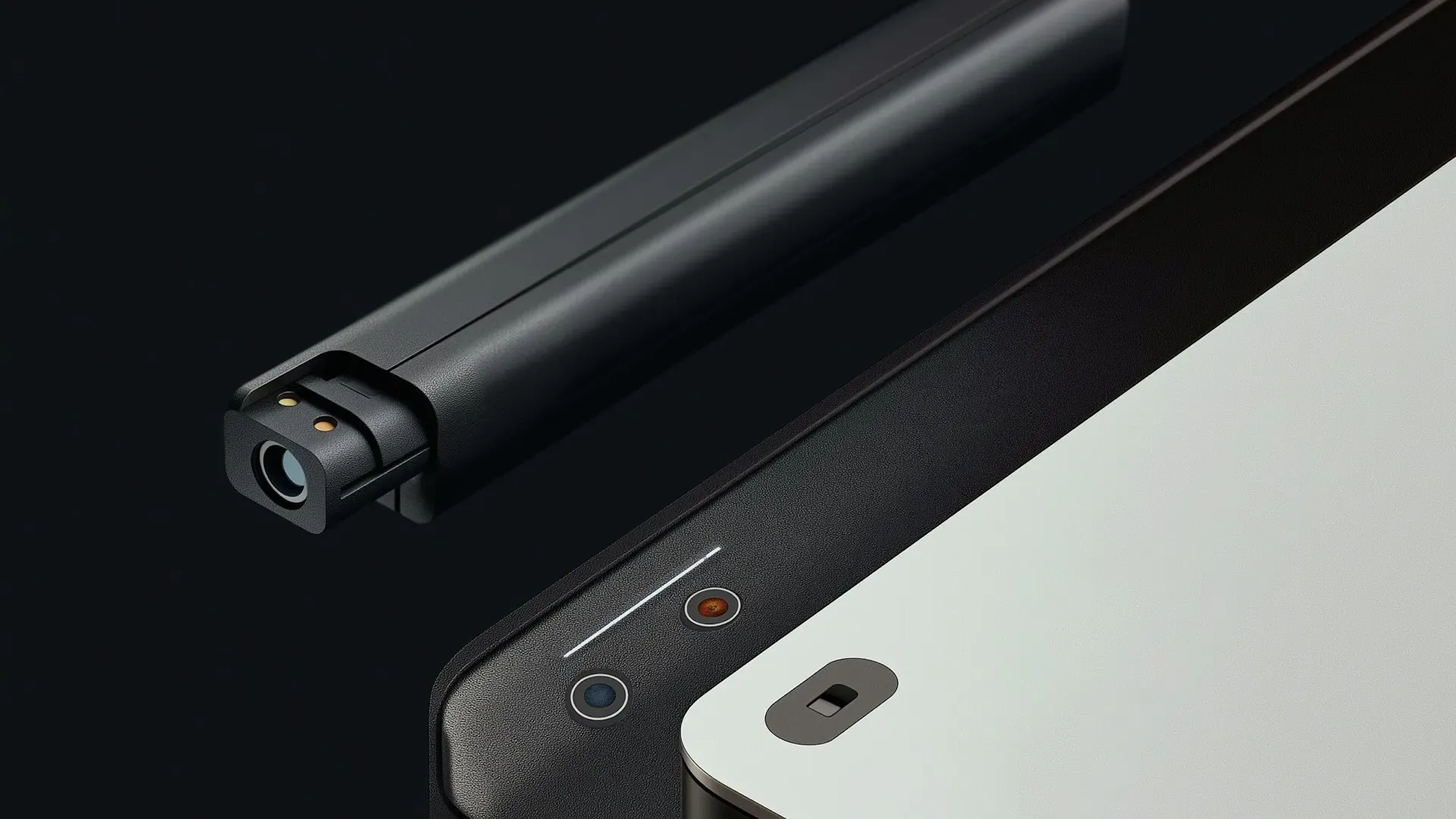
- Define a modular payload interface (connector + electrical spec + mechanical envelope) that supports future payloads.
- Plan forward compatibility for secure element, data encryption modules, and docking contacts (charging/data) as the roadmap evolves.
RF / Antenna / EMI Reality
- Build RF link budgets (control + video/data) and validate with real-world testing in indoor environments.
- Own antenna selection, placement, and orientation, including isolation from carbon/plastics/ducting and human hand effects.
- Mitigate interference and coupling issues: noisy power rails, switching regulators, ESC noise, poor grounding, cable emissions.
- Drive practical EMI/EMC hygiene: grounding strategy, shielding, filtering, layout constraints, and test methodology.
Compliance, Supply Chain, and Traceability (NDAA-minded)
- Own component-level compliance documentation and traceability (manufacturer, origin where possible, alternates, and risk scoring).
- Build a “compliance-ready” BOM with substitutes and second sources to avoid single-point failures.
What “Good” Looks Like
- A unit can be assembled without rework and without one-off wiring hacks.
- The RF link is stable indoors and degrades predictably (not mysteriously).
- Payload swaps don’t require a soldering iron or a prayer.
- Power is clean enough that sensors behave and compute doesn’t brown out under burst loads.
- Compliance is documented and defensible—component by component.
Required Qualifications
- 5+ years (or equivalent) in electrical systems engineering for robotics, UAVs, embedded hardware, or similarly constrained platforms.
- Strong practical understanding of power electronics fundamentals (regulation, protections, current handling, efficiency, thermal).
- Experience selecting and integrating ESCs/motors and managing noise/EMI in small systems.
- Harnessing and connector strategy experience (standards, reliability, serviceability).
- RF fundamentals: antenna placement, link budgets, multipath/shadowing considerations, and practical indoor testing.
- Proven ability to ship hardware that survives real handling, vibration, and field conditions.
Preferred Qualifications (Nice to Have)
- Direct experience with small multirotors or micro-UAV SWaP constraints.
- Experience with PCB design and review (even if you’re not the primary layout engineer).
- Familiarity with thermal imaging module integration and high-bandwidth video pipelines.
- Experience building manufacturing test fixtures and acceptance processes.
- Background in defense, public safety, or rugged robotics compliance environments.
Tools & Workflow (Flexible)
We’ll use what gets the job done:
- Bench tools (scope, logic analyzer, spectrum analyzer/SDR if needed), power analyzers, load testers
- Rapid prototyping + iteration loops with indoor field testing
- BOM management with traceability and alternates
- Documentation that a future build team can actually follow
Location
Orange County, CA preferred. Hybrid/remote can work for the right person, with periodic on-site test/build weeks.
Compensation
Competitive salary + meaningful equity, commensurate with experience and fit.